Yuanyuan(Zoey) Zhou
About Me
I am a fifth-year PhD candidate in Mechanical Engineering at the University of Maryland, College Park advised by Professor Jin-Oh Hahn. Previously, I completed my BS in Energy and Environment System Engineering at Zhejiang University and my MS in Mechanical Engineering at Tennessee State University. And I have worked as Mechanical Engineer in manufacturing industry for 4 years before starting my PhD journey.
My research interests span multimodal physiological signal analysis, state-space modeling, closed-loop control, and machine learning, with hands-on experience in 3D modeling and manufacturing.
News
- Mar 2026: Selected for 2026 B4U Bayer University Mentorship Program!
- Mar 2026: Received Ann G. Wylie Dessertation Fellowship Award!
- Feb 2026: Abstract accepted for SLEEP 2026 confrence (June) in Baltimore!
- Nov 2025: Advanced to PhD Candidacy!
- Oct 2025: Glad to have an oral presentation in MECC 2025 (Pittsburgh)!
- Aug 2025: Awarded Jacob K. Goldhaber Travel Grant!
- Aug 2025: Received MECC 2025 Student Grant Award!
- June 2025: Had a fantastic time attending CVPR 2025 in Nashville!
- Feb 2025: Honored to receive the Outstanding Graduate Research Assistant Award!
- Jan 2025: Accepted to Clark School Future Faculty Program!
Research Highlights
|
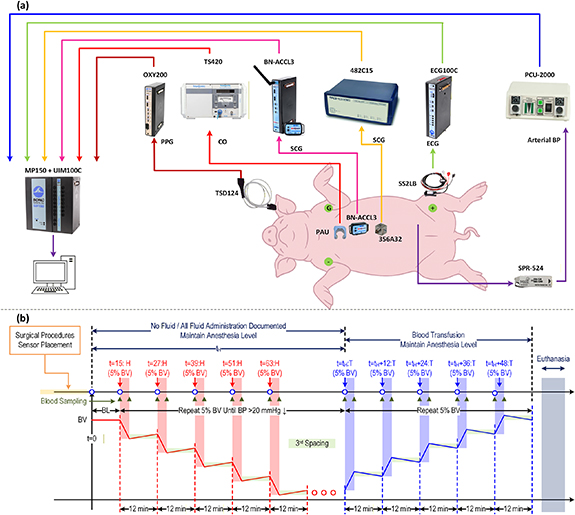
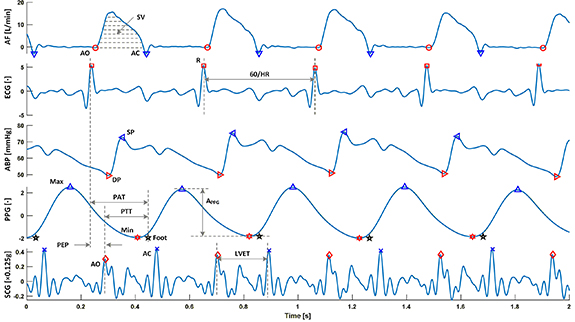
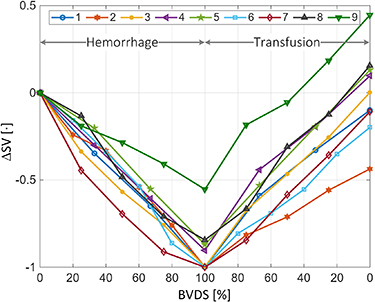
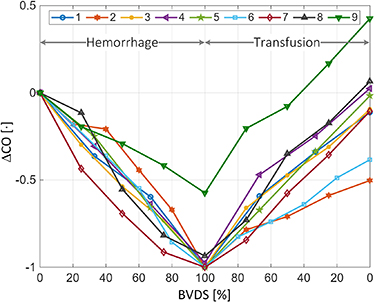
Non-invasive hemodynamic monitoring during hemorrhage and blood transfusion: opportunities and challenges
Physiological Measurement 2026, 47(4).
We investigated (i) if blood volume decompensation status (BVDS) can be trend-tracked by hemodynamic parameters,
and (ii) if hemodynamic parameters capable of trend-tracking BVDS can be trend-tracked by the physio-markers derived from the physiological signals measured using wearable sensors.
In 9 pigs undergoing controlled hemorrhage and blood transfusion, we derived non-invasive physio-markers. Then, we determined the best hemodynamic parameters to trend-track BVDS by comparing their correlation with BVDS.
Finally, we investigated the feasibility of trend-tracking BVDS via non-invasive physio-markers in terms of their correlation with hemodynamic parameters as well as BVDS.
Parham Rezaei*,
Sina Masoumi Shahrbabak*,
John Vandenberge*,
Yuanyuan Zhou*,
Demet Tangolar,
Nancy Kim, Douglas Tran, Randy Perez, Donghyeon Kim, Nicholas Burch, Zeineb Bouzid, Rayan Bahrami, Jacob P Kimball, Chang-Sei Kim, Zhongjun J Wu,
Omer T. Inan,
Jin-Oh Hahn
|

|
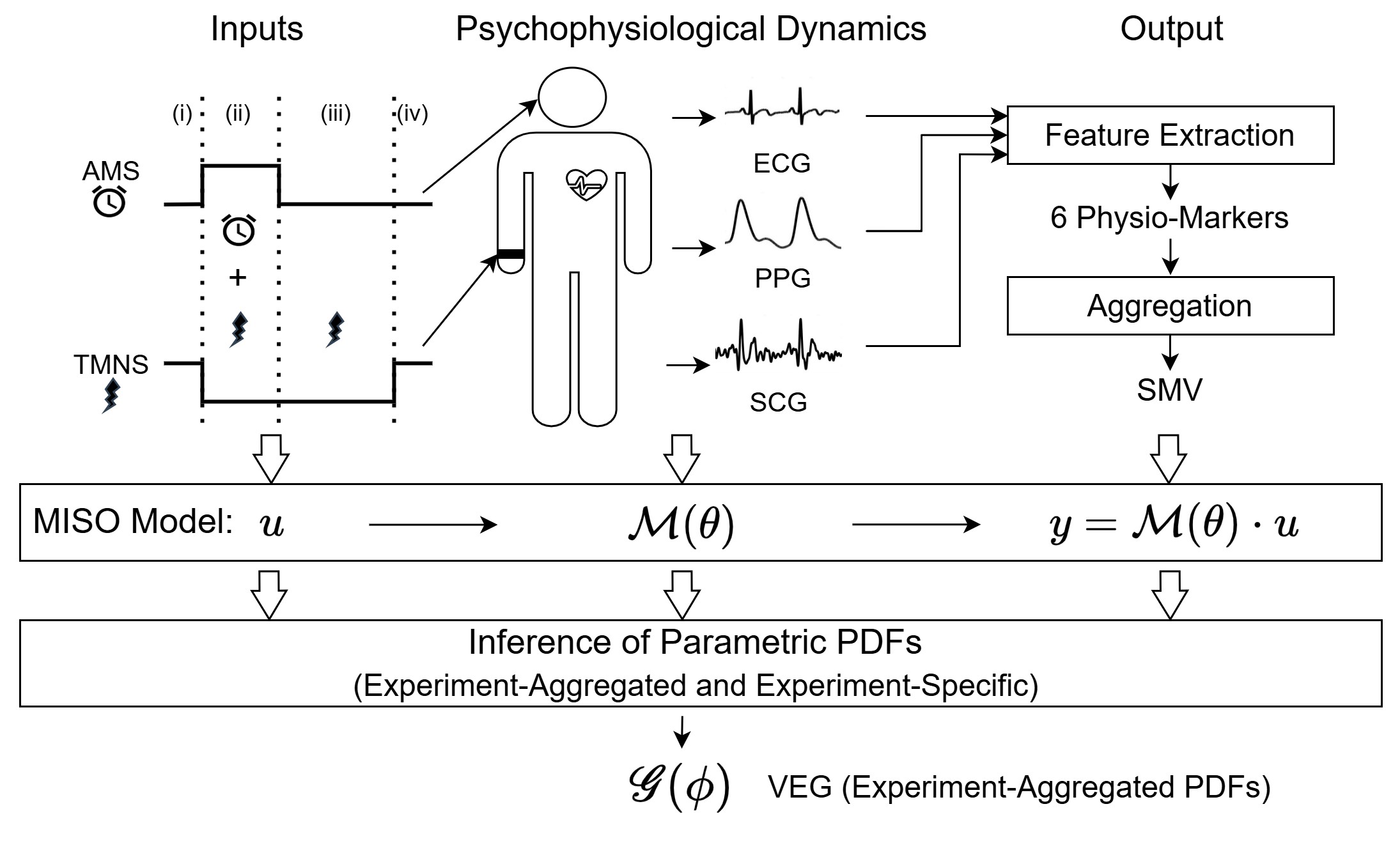
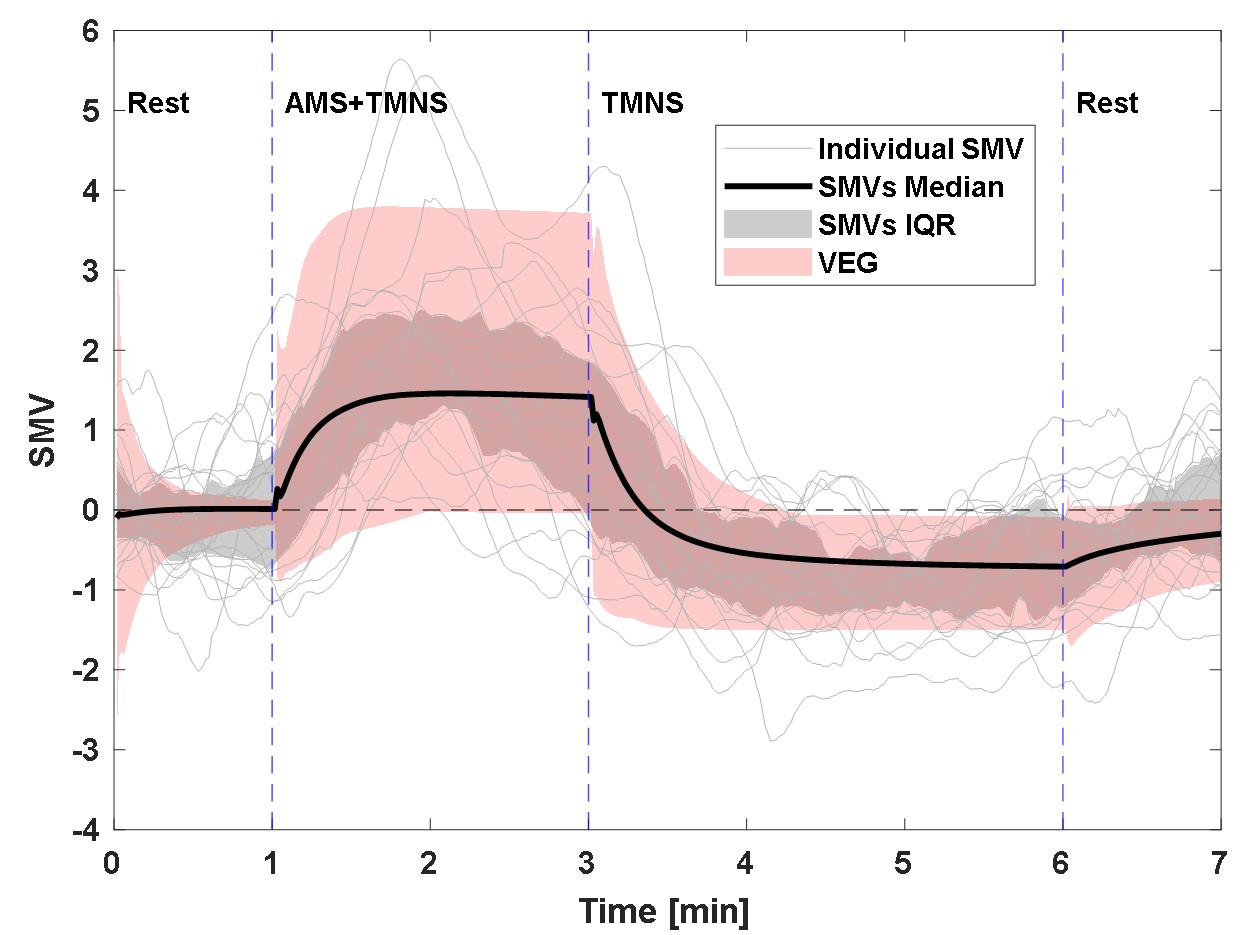
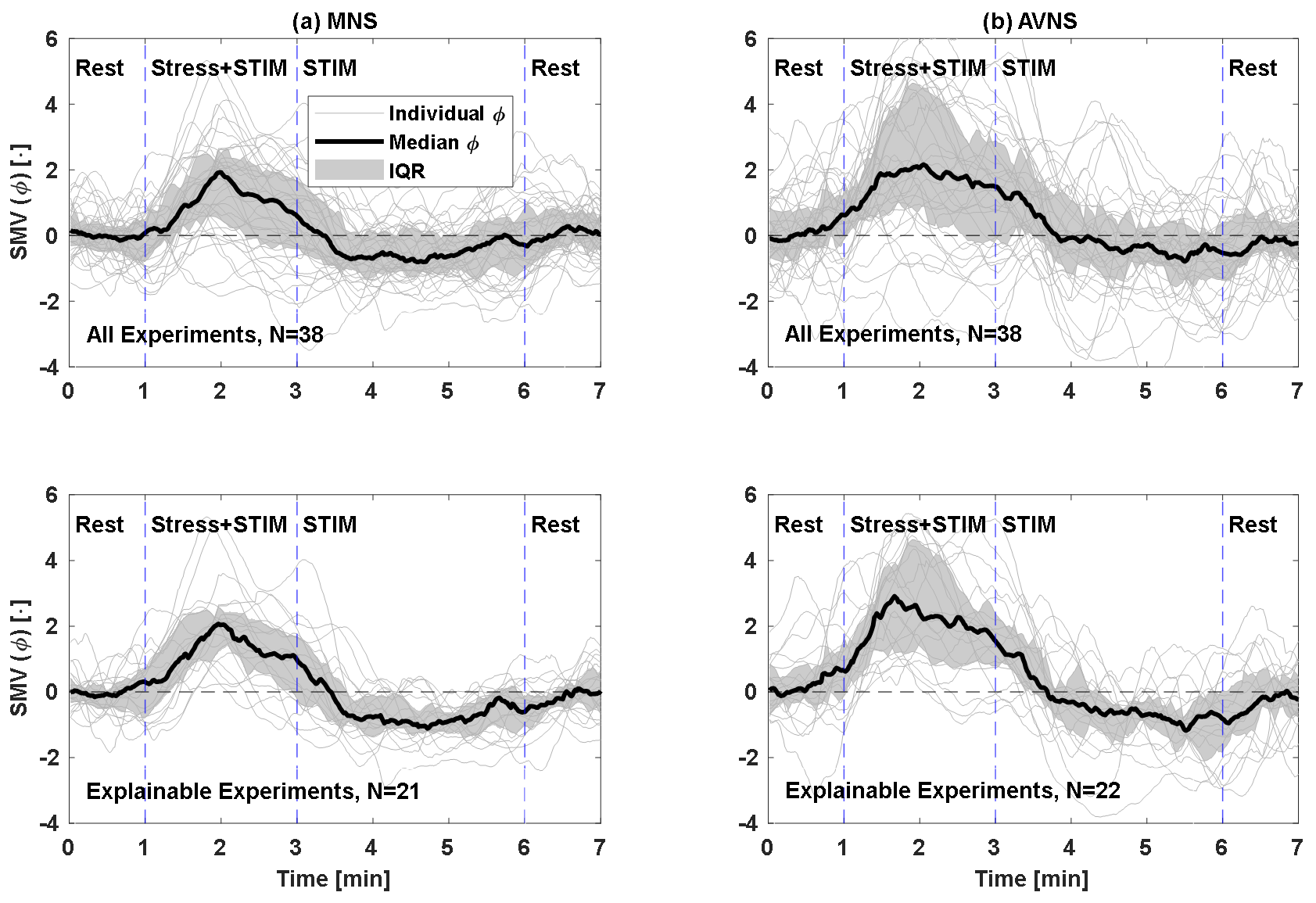
A Virtual Experiment Generator to Replicate Cardiovascular Responses to Acute Mental Stress and Transcutaneous Median Nerve Stimulation
Journal of Dynamic Systems, Measurement, and Control 2026, 148(1).
To enable just-in-time mitigation of acute mental stress, we developed a data-driven virtual experiment generator (VEG) that models the dynamic interactions between
transcutaneous median nerve stimulation (TMNS), acute stressors, and cardiovascular arousal. Using data from 23 experiments, the VEG accurately replicated and
generated realistic cardiovascular responses, demonstrating its potential as a virtual platform for developing closed-loop TMNS control strategies.
Yuanyuan Zhou,
Sina Masoumi Shahrbabak,
Parham Rezaei,
Rayan Bahrami,
Farhan N. Rahman,
Jesus Antonio Sanchez-Perez,
Asim H. Gazi,
Omer T. Inan,
Jin-Oh Hahn
|
|
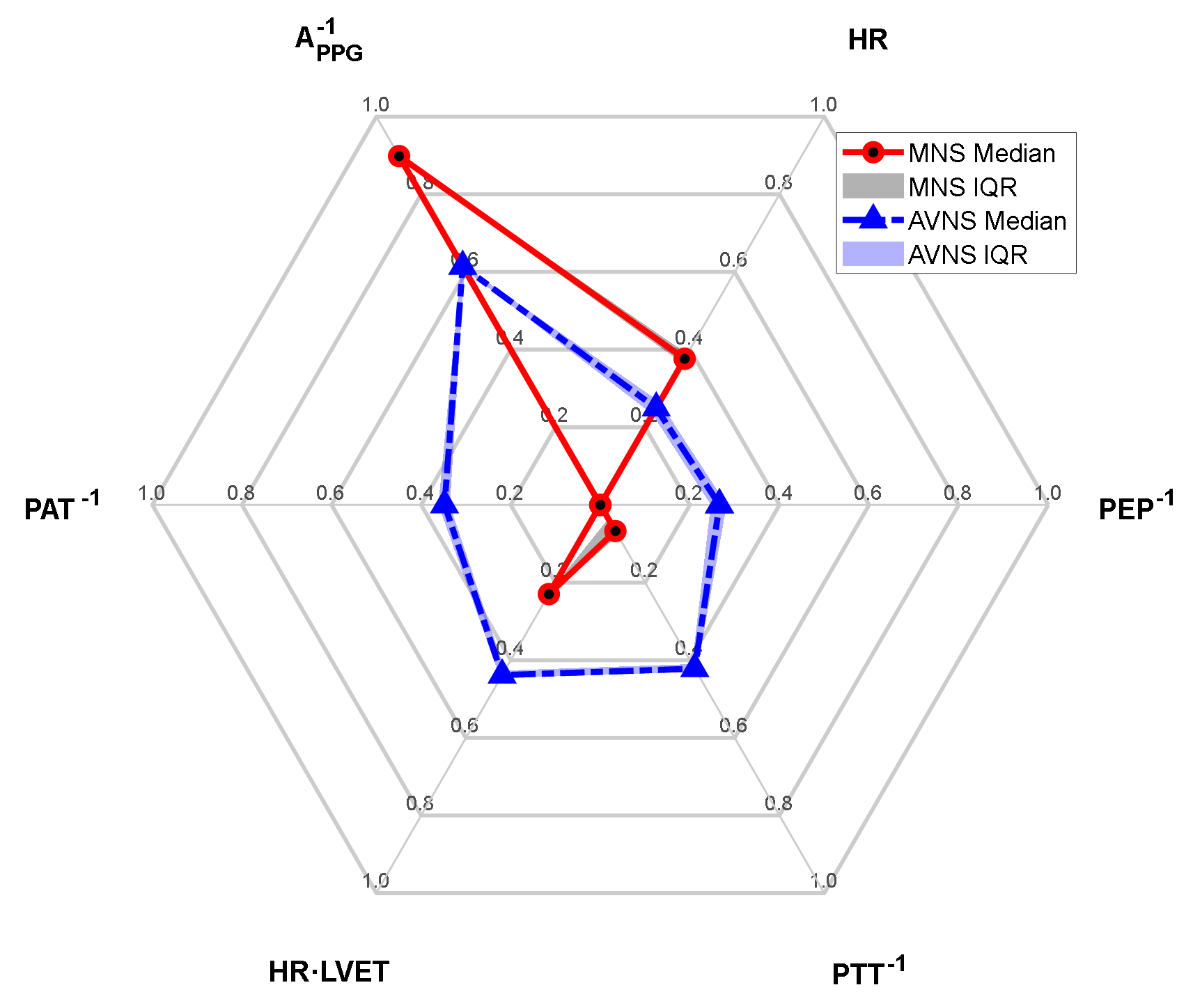
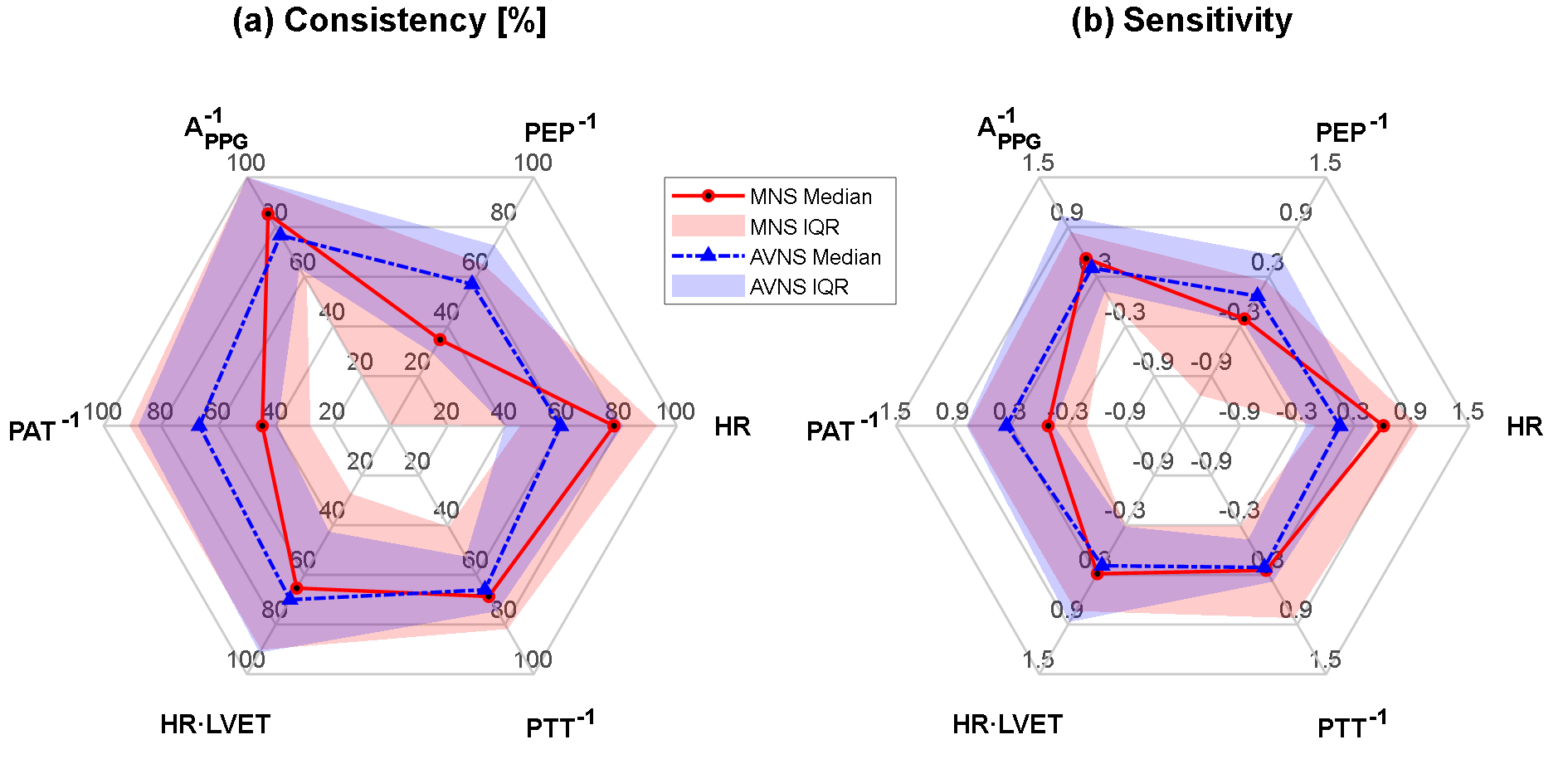
Non-Pharmacological Mitigation of Acute Mental Stress-Induced Sympathetic Arousal:
Comparison Between Median Nerve Stimulation and Auricular Vagus Nerve Stimulation
Sensors 2025, 25(5), 1371.
This paper comparatively investigated Median nerve stimulation (MNS) and auricular vagus nerve stimulation (AVNS)
in terms of efficacy and mechanism of action in the context of mitigating acute stress-induced arousal. The findings may
support future device development for addressing acute mental stress-induced arousal through MNS or AVNS,
and they pave the way toward a better understanding of how to quantify the efficacy of such interventions.
Yuanyuan Zhou,
Sina Masoumi Shahrbabak,
Rayan Bahrami,
Farhan N. Rahman,
Jesus Antonio Sanchez-Perez,
Asim H. Gazi,
Omer T. Inan,
Jin-Oh Hahn
|
|
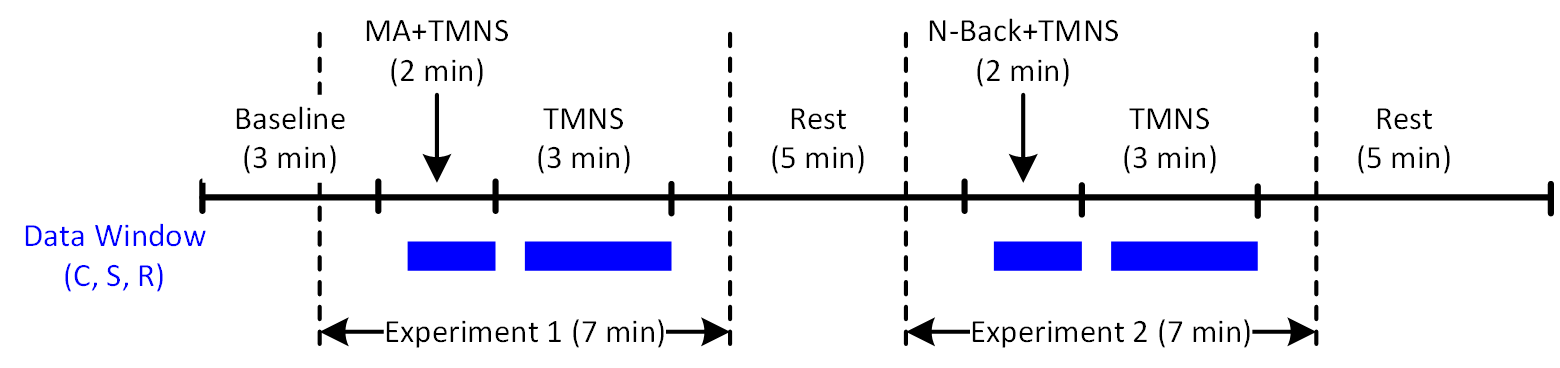
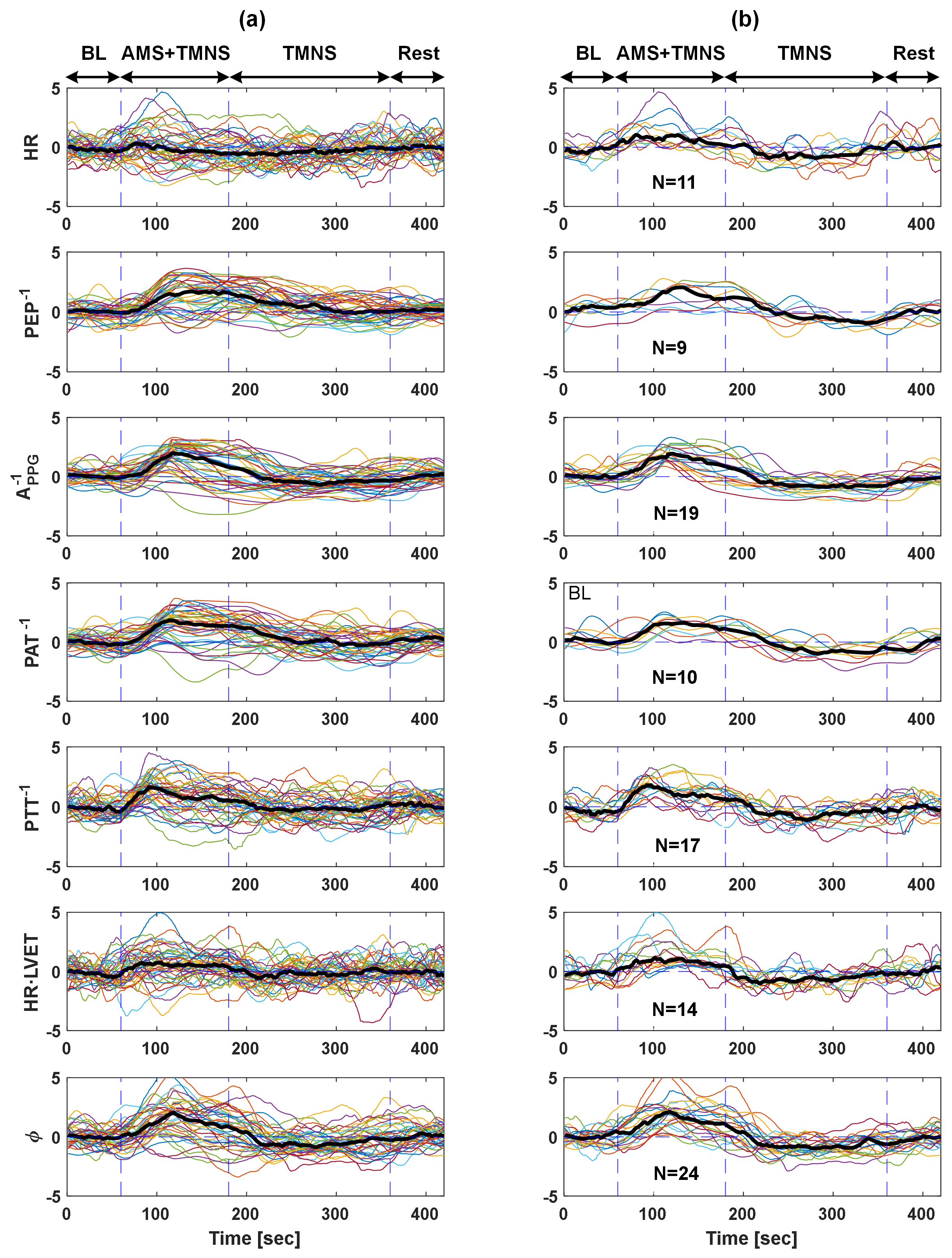
A Synthetic Multi-Modal Variable to Capture Cardiovascular Responses to Acute Mental Stress
and Transcutaneous Median Nerve Stimulation
IEEE Transactions on Biomedical Engineering, Volume 72, Issue 1, January 2025, Pages 346 - 357.
We developed a novel synthetic multi-modal variable capable of capturing cardiovascular responses to acute mental stress
and the stress-mitigating effect of transcutaneous median nerve stimulation (TMNS),
as an initial step toward the overarching goal of enabling closed-loop controlled mitigation of the physiological response to acute mental stress.
Yuanyuan Zhou,
Jesse D. Parreira,
Sina Masoumi Shahrbabak,
Jesus Antonio Sanchez-Perez,
Farhan N. Rahman,
Asim H. Gazi,
Omer T. Inan,
Jin-Oh Hahn
|
|
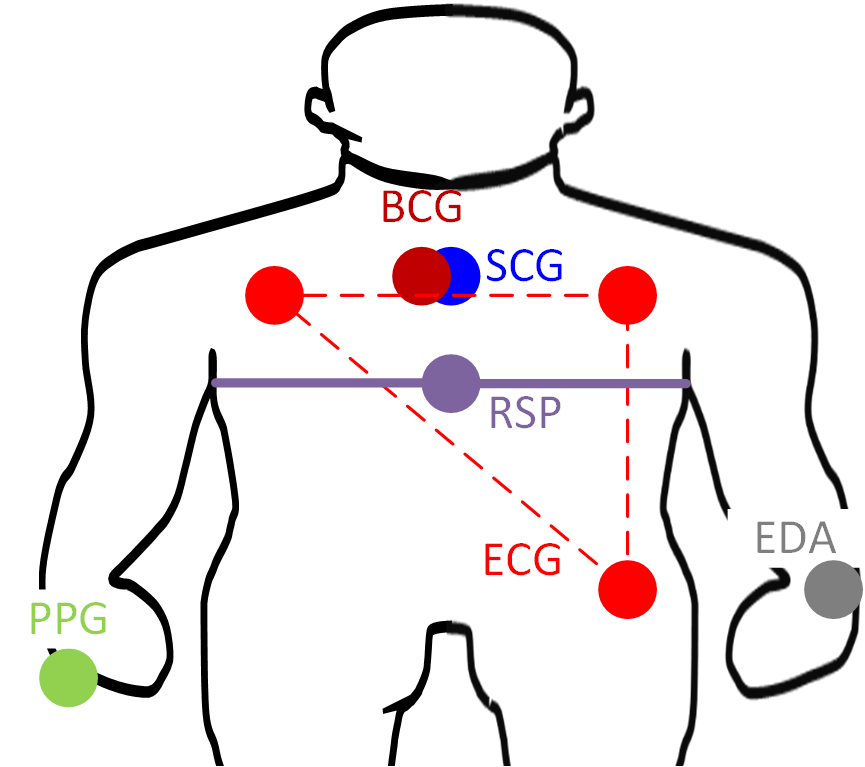
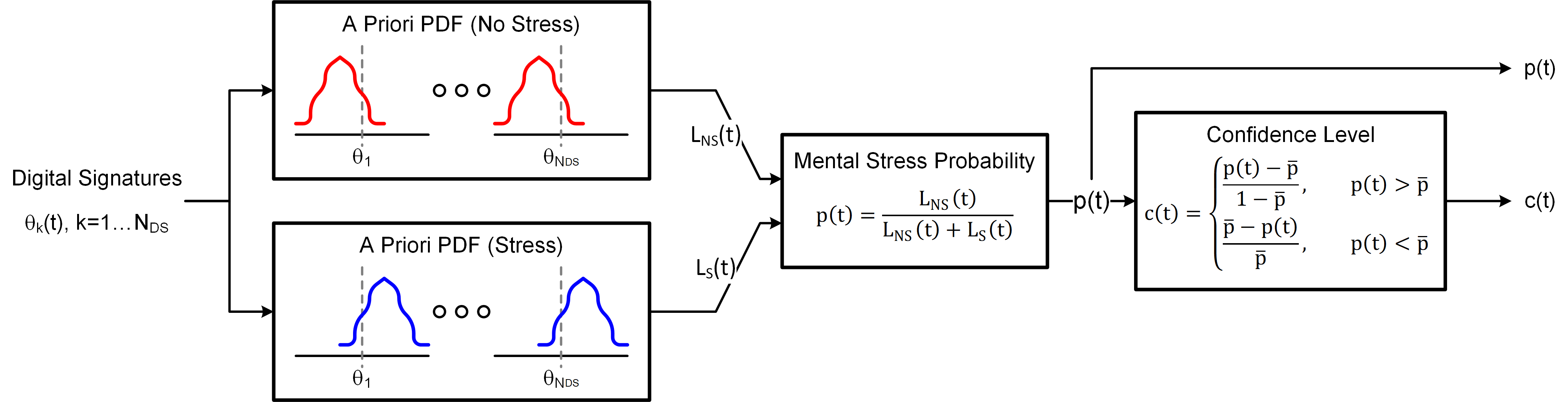
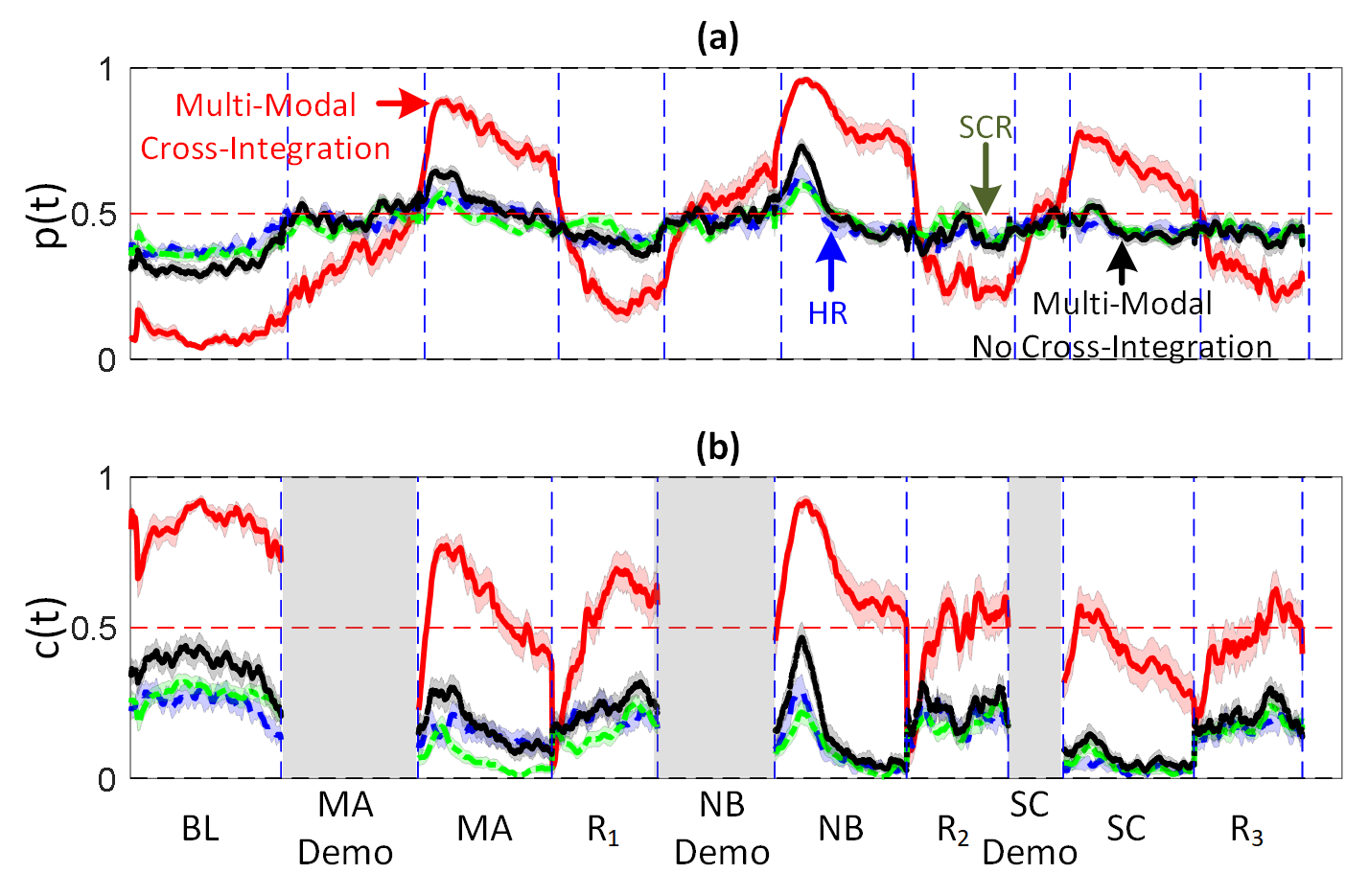
Inference-enabled tracking of acute mental stress via multi-modal wearable
physiological sensing: A proof-of-concept study
Biocybernetics and Biomedical Engineering, Volume 44, Issue 4, October–December 2024, Pages 771-781.
Continuously track acute mental stress by integrating multimodal physiological signals
(ECG, PPG, SCG, BCG, EDA, respiration) to derive interpretable digital signatures and
compute stress probabilities via collective inference, significantly outperforming
traditional univariate approaches in accuracy and confidence.
Yuanyuan Zhou,
Azin S. Mousavi,
Yekanth R. Chalumuri,
Jesse D. Parreira,
Mihir Modak,
Jesus Antonio Sanchez-Perez,
Asim H. Gazi,
Omer T. Inan,
Jin-Oh Hahn
|
|
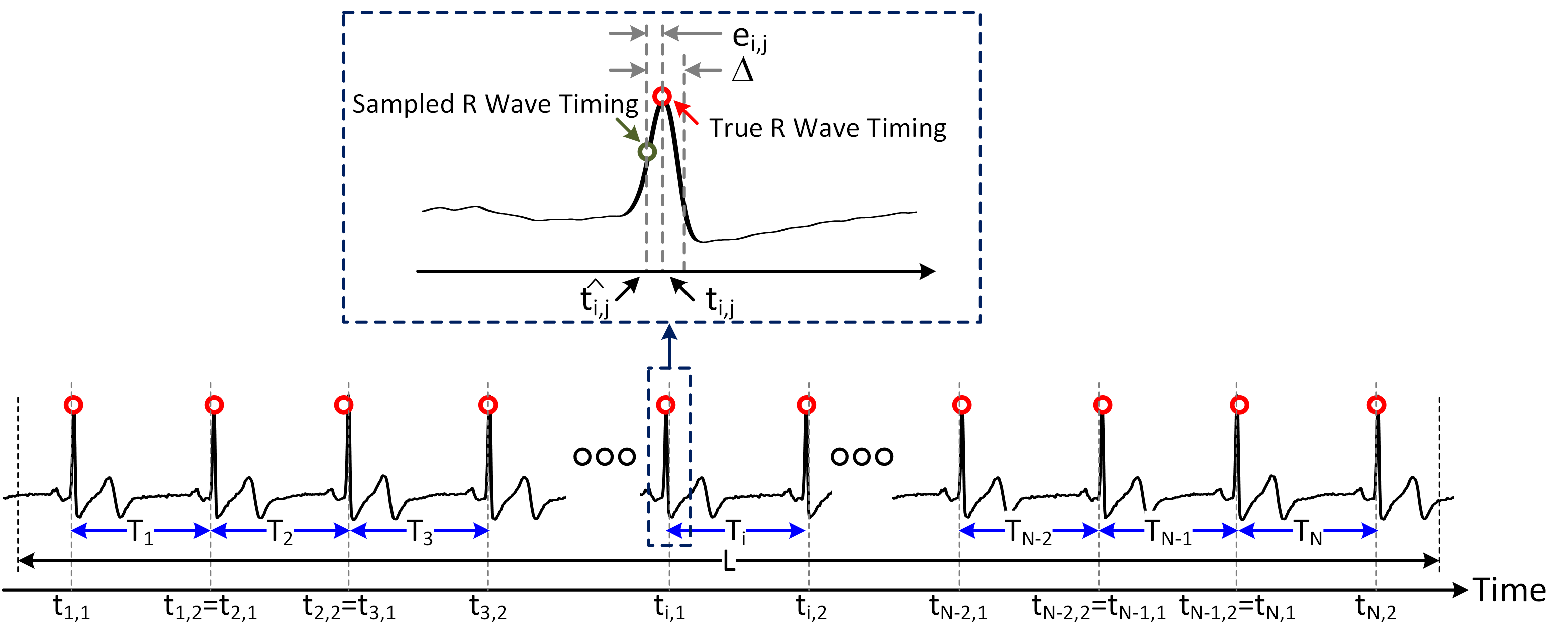
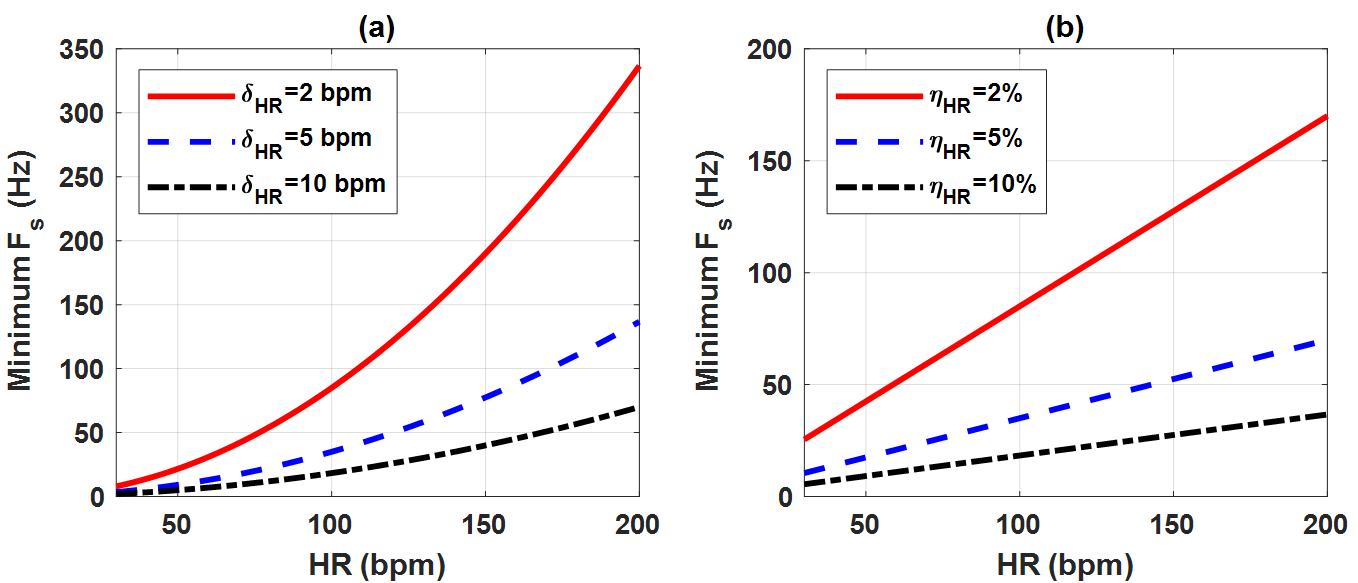
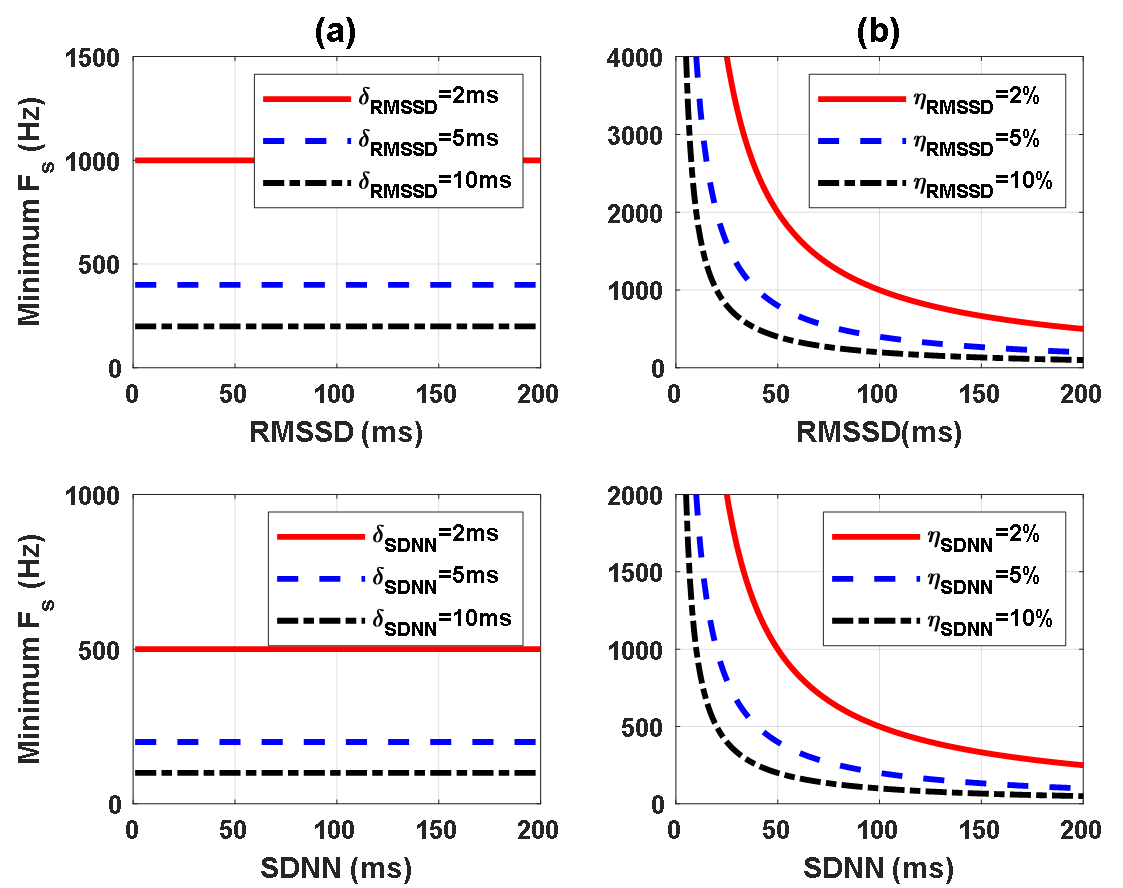
Sampling Rate Requirement for Accurate Calculation of Heart Rate and its Variability based on the Electrocardiogram
Physiological Measurement, Volume 45, Issue 2, February 2024, 025007.
Develop analytical formulas which can serve as quantitative guidelines for the selection
of the sampling rate for the electrocardiogram (ECG) required to calculate heart rate (HR)
and heart rate variability (HRV) with a desired level of accuracy, for the first time.
Yuanyuan Zhou,
Bryndan Lindsey,
Samantha Snyder,
Elizabeth Bell,
Lucy Reider,
Michael Vignos,
Eyal Bar-Kochba,
Azin Mousavi,
Jesse D. Parreira,
Casey Hanley,
Jae Kun Shim,
Jin-Oh Hahn
|
* denotes equal contribution.
Honors and Awards
- Mar 2026: Ann G. Wylie Dessertation Fellowship Award.
- Dec 2025: Clark School Future Faculty Fellow.
- Aug 2025: Student Grant Award for MECC 2025.
- Feb 2025: Outstanding Graduate Research Assistant for the University of Maryland's AY 2024-25.
- Oct 2024: Student Travel Award at the 2024 IEEE 20th International Conference on Body Sensor Networks (BSN).
- Apr 2018: 3rd Place of 40th TSU Annual Research Symposium Oral Presentation at Tennessee State University.
- Jun 2016: Excellent Bachelor Dissertation Award at Zhejiang University, China.
- Oct 2014: Outstanding Merits at Zhejiang University, China.
- May 2012: Provincial Merit Student at Hebei Province, China.
- May 2011: Bronze Award in the National Bing Xin Youth Poem Competition, China.
- Apr 2008: Gold Medal in the Olympic Knowledge Contest, Jing County, Hebei Province, China.
Patent
- 2025: Systems and methods for multi-modal stress tracking. US Patent No: US20250143614A1 .
Certificate
- Aug 2018: Engineer in Training Certificate (EIT) certified by Tennessee State.
Activities
- Hiking
- Gardening -Guess the most interesting fruit I've ever harvested 😆
- Badminton
P.S.
-
Wishing you all incredible success—may your fortunes soar so high that one day you’ll be fighting over who gets to sponsor my future research! 💼💰😄